High-Gravity Mash Enzyme Procurement for Distilleries
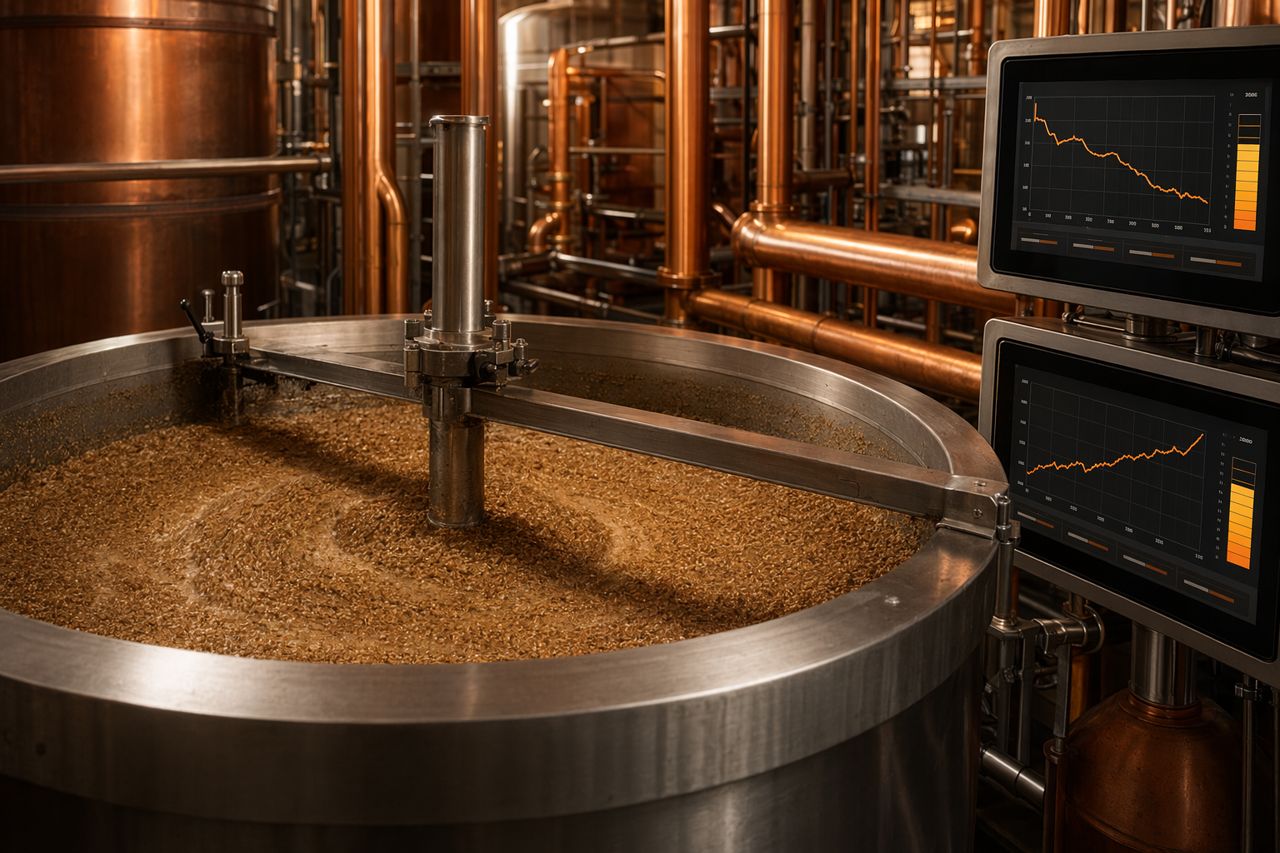
High-gravity mashing can increase throughput, but it also raises the cost of getting enzyme selection wrong. Thick mash, incomplete starch conversion, slow fermentations, uneven attenuation, poor heat transfer, and difficult separations can turn a capacity strategy into a bottleneck.
Enzymeedge supplies enzyme solutions for beverage alcohol distilleries that need predictable mash handling, fermentability, and procurement continuity. If you are sourcing a distilling enzyme supplier for spirit production, this page is built for production managers, plant teams, and procurement leads planning enzyme use across high-gravity grain, cereal, and adjunct mash programs.
Our role is practical: help you align enzyme class, process conditions, packaging format, inventory timing, and reorder planning so your operation can run with fewer surprises.
Why high-gravity mash changes the enzyme decision
High-gravity operation increases dry solids and potential alcohol yield per fermentation volume. It can also intensify common process constraints:
- Higher viscosity during cook, liquefaction, transfer, and fermentation
- Slower starch accessibility when grind, gelatinization, or mixing is inconsistent
- Increased risk of residual dextrins and incomplete fermentability
- Greater load on agitators, pumps, heat exchangers, and centrifuges
- More variation between grain lots, recipes, and seasonal raw material quality
- Longer cycle time when fermentation does not finish cleanly
A low-gravity enzyme program may not scale cleanly into higher solids. The right procurement plan should consider the whole mash path: slurry, cook or jet cook, liquefaction, saccharification, fermentation, and downstream separation.
Enzyme classes commonly evaluated for high-gravity spirit production
Enzymeedge helps distilleries source enzyme systems by function, not guesswork. Depending on your feedstock and process design, procurement may include one or more of the following enzyme classes.
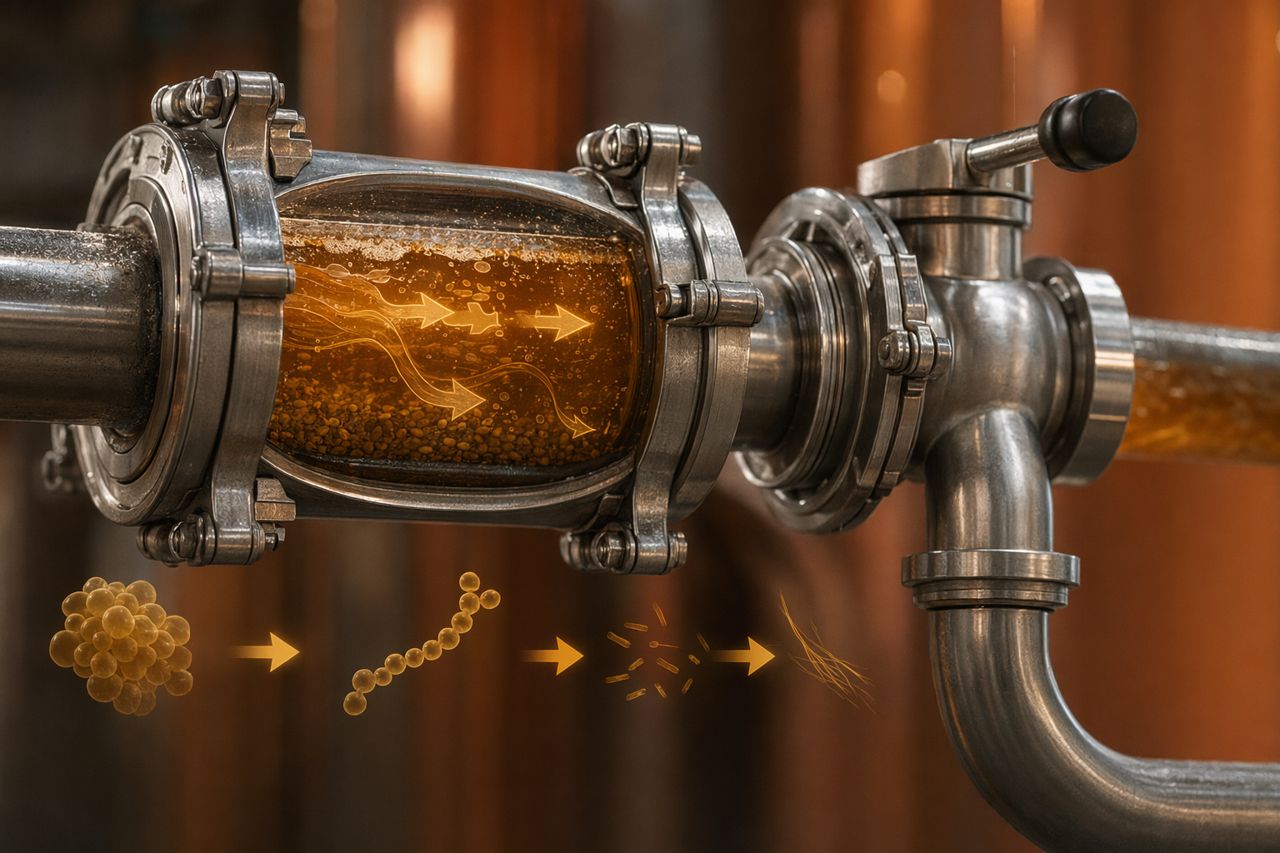
Alpha-amylase for liquefaction and viscosity reduction
Alpha-amylase helps break long starch chains into shorter dextrins during high-temperature or controlled liquefaction stages. For high-gravity mash, the buyer value is straightforward: improved pumpability, better mixing, more stable heat transfer, and a cleaner path into saccharification or fermentation.
Procurement considerations include temperature exposure, pH range, residence time, cook profile, holding tank design, and whether the plant runs batch or continuous liquefaction.
Glucoamylase for fermentable sugar release
Glucoamylase supports conversion of dextrins into fermentable sugars. In high-gravity programs, it is commonly selected to improve attenuation consistency and reduce residual carbohydrate left behind after fermentation.
Procurement planning should consider feedstock blend, mash solids, fermentation temperature, yeast strategy, desired completion profile, and whether saccharification is performed separately or in simultaneous saccharification and fermentation.
Pullulanase or debranching support for difficult dextrin profiles
Some high-gravity recipes create branched dextrin structures that are slower to convert. A debranching enzyme may be evaluated where fermentability remains limited despite adequate liquefaction and glucoamylase use.
The commercial value is not novelty; it is reducing stubborn residuals and improving consistency when raw material or process constraints make complete conversion harder.
Protease for nitrogen availability and fermentation support
Protease can help release usable nitrogen and peptides from grain protein fractions. This may support yeast performance where nutrient availability, fermentation kinetics, or raw material variability are recurring concerns.
Protease selection should be tied to the grain bill, yeast requirements, mash pH, temperature profile, and any existing nutrient program.
Beta-glucanase and xylanase for viscosity control in specific grains
Rye, wheat, barley, and certain adjunct-heavy mash bills can contribute gums and fiber-associated viscosity. Beta-glucanase, xylanase, or related carbohydrase support may improve mash flow, transfer behavior, and separation conditions.
These enzymes are especially relevant when the plant is fighting thick mash, slow lautering-style operations, fouled screens, sluggish centrifuges, or inconsistent still feed handling.
Procurement questions we help answer
A quote request should not be a blind price check. To build a useful supply recommendation, Enzymeedge can help clarify:
- Which process step is actually limiting yield, run time, or separation quality?
- Is the issue starch conversion, viscosity, yeast nutrition, grain fiber, or raw material variability?
- Which enzyme class should be primary, and which should be optional or situational?
- Should products be stocked for routine use, trial use, or seasonal contingency?
- What packaging format fits your dosing method and storage footprint?
- How much lead time should be planned around production campaigns?
- How should procurement coordinate with plant trials, recipe changes, and scale-up?
The goal is a supply plan your production team can run, not a cabinet full of overlapping products.
Built for distillery purchasing realities
Distilleries do not buy enzymes in a vacuum. Enzyme supply has to match production schedules, sanitation windows, tank turns, labor availability, and raw material contracts. Enzymeedge supports procurement conversations around:
- Bulk purchasing for recurring production
- Lot reservation and forward planning for campaign-based demand
- Trial quantities before full-scale adoption
- Documentation needs for internal review
- Storage and handling expectations
- Quote-based purchasing through your approved vendor process
- Repeat ordering without reformulating every run
We keep the conversation focused on plant-floor outcomes: more manageable mash, more consistent fermentability, reduced process drag, and cleaner separation behavior.
Where high-gravity enzyme programs create measurable value
A well-selected enzyme program can support multiple operational goals:
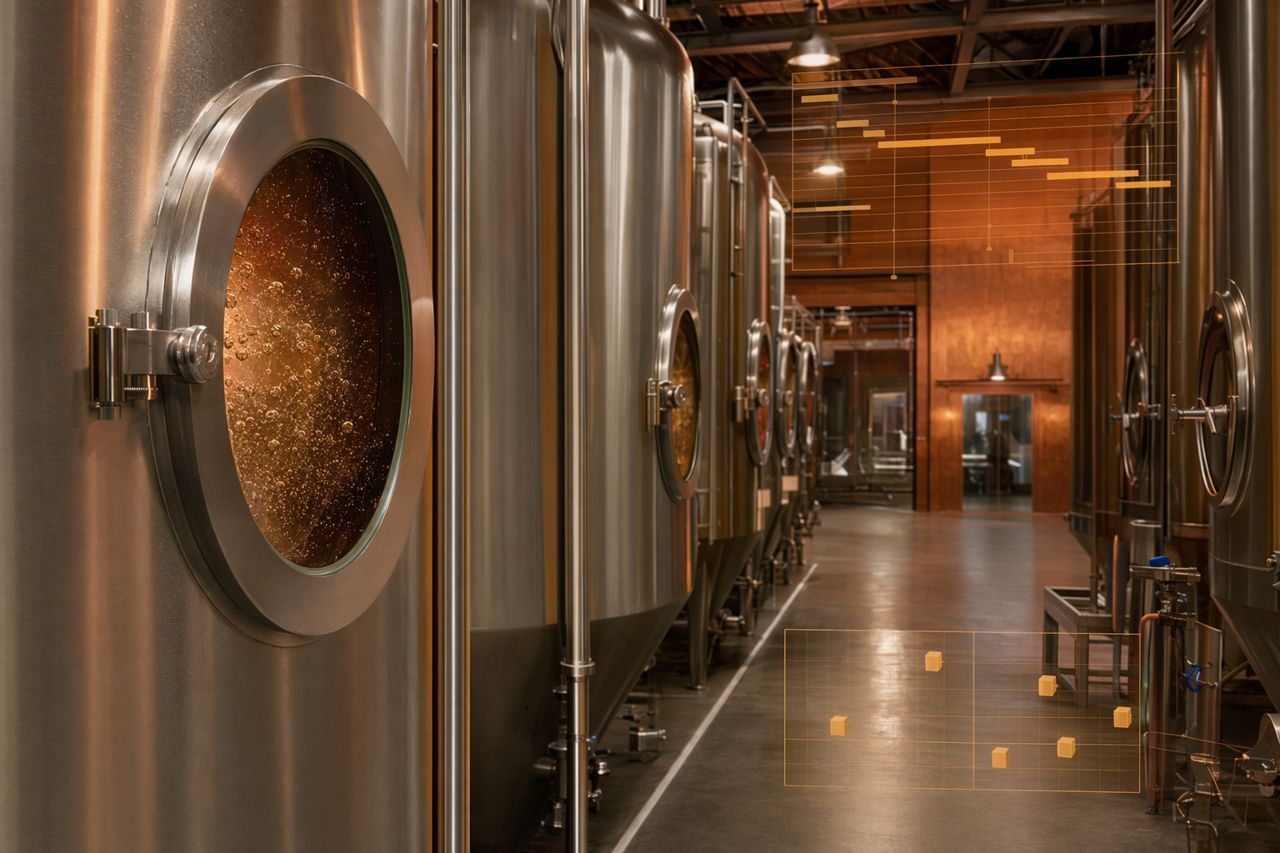
- Higher effective fermenter utilization by helping high-solids mash move and ferment more predictably.
- Improved conversion consistency across raw material changes and production campaigns.
- Lower viscosity stress on pumps, agitators, transfer lines, and heat exchange surfaces.
- More reliable fermentation completion by improving fermentable sugar availability and, where relevant, nutrient release.
- Cleaner downstream handling through better mash flow and reduced suspended carbohydrate burden.
- Procurement stability through planned inventory rather than last-minute substitutions.
Enzymes do not replace process discipline. They make disciplined process control easier to hold at higher gravity.
What we need to prepare a useful quote
To request pricing and fit guidance, send the details you have available. Approximate ranges are acceptable for an initial conversation.
- Feedstock or mash bill
- Current and target mash solids
- Batch size or production campaign volume
- Cook and liquefaction temperatures
- pH range during enzyme addition
- Fermentation temperature and typical duration
- Current pain point: viscosity, conversion, attenuation, transfer, separation, or consistency
- Preferred package size or storage constraints
- Expected monthly or campaign-based demand
- Any documentation requirements for purchasing or quality review
If you are changing gravity, grain mix, or fermentation schedule, include that as well. It helps us recommend a procurement path that fits the operation you are moving toward, not just the process you ran last quarter.
Request a quote
Ready to plan enzyme supply for high-gravity spirit production? Use the on-site form below and tell us what you are making, where the bottleneck is, and how your production schedule is structured.
Enzymeedge will respond with a practical quote path for enzyme class selection, packaging, availability, and procurement timing.